Mentoring the Next Generation of Physicians
Medicine is still learned the way it always has been: by working beside someone who has done it before. Mentoring is how the profession keeps its judgment.
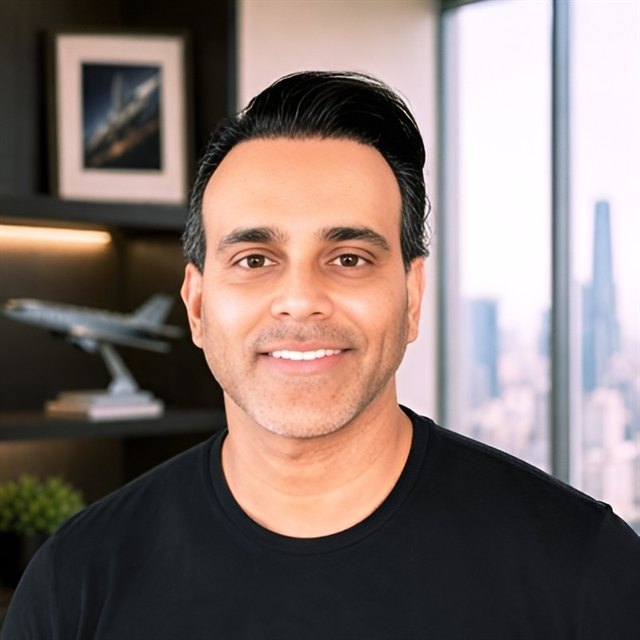
Mentoring the next generation of physicians means passing on what textbooks cannot: clinical judgment, honesty about mistakes and an understanding of how a medical career actually works. After more than twenty-five years in medicine, including interventional cardiology, I have come to think it is one of the most important things a senior physician does, and one of the easiest to neglect.
Judgment is taught at the bedside
Medical school and residency teach knowledge very well. What they cannot fully teach in a lecture is judgment: when to act and when to wait, which abnormal result matters and which does not, how to tell a frightened family the truth without taking away hope. Those things are learned by watching an experienced physician think out loud, then doing it yourself with someone checking your reasoning. The best mentors I had explained not just what they decided but why, and what would have changed their mind.
Make it safe to talk about error
Every physician makes mistakes. The ones who improve are the ones who can talk about them openly, find the cause and change something. A mentor sets that tone. When a senior physician says "here is what I missed, and here is what I do differently now," a trainee learns that admitting error is part of being good at the work, not a threat to it. That habit protects patients far more than any single fact.
Teach the business of medicine
Many young physicians finish training with little understanding of contracts, practice finances, compliance or how healthcare businesses are run. That gap leaves them dependent on others for decisions that shape their careers. I try to talk plainly with younger colleagues about how practices are structured, what to look for in an employment agreement and why reading the numbers matters. None of this replaces good medicine, but it lets good physicians stay in control of how they practice. I wrote about some of those lessons in What Twenty-Five Years in Medicine Taught Me About Building Businesses.
Show that a career can be broad
A medical degree opens more doors than most trainees realize. Physicians teach, write, serve as expert reviewers, lead companies and invest. My own work has grown to include concierge care at Regenerative Health & Wellness, independent medical review, writing and a family office. Younger physicians benefit from seeing that clinical medicine can be the foundation for a varied professional life rather than the whole of it, and that the clinical habits carry over.
Protect the mentee's future, not your own
Good mentoring is generous. It means writing the honest letter of recommendation, making the introduction that helps someone else's career, and telling a trainee directly when a path does not suit them. It also means encouraging them to find several mentors, because no single person has every answer. The aim is a capable, independent physician, not a follower.
Sustainability is part of the lesson
Burnout is a well-documented problem in medicine. Mentors cannot solve it alone, but they can model a sustainable career: protecting time for family and health, saying no to some commitments, and building a practice that does not depend on working without limit. A physician who lasts thirty years serves far more patients than one who burns out in ten.
Why it matters
Medicine is one of the few professions still passed on largely through apprenticeship. Every physician practicing today was shaped by someone who took the time to teach. Returning that favor is how the profession keeps its standards, and it is one of the parts of my career I value most. More about my background is on my biography page.
This article reflects general professional experience and is not medical, legal or career advice for any individual.
About the author. Irfan Siddiqui is a physician, entrepreneur and investor with more than twenty-five years in medicine. He founded Impero Capital Holdings, a single-family office, and is the physician behind Regenerative Health & Wellness (concierge medicine) and Expert Medical Advisors & Consultants (independent medical review). Read his full biography.